OpenFlo® Catheter

An FDA 510(k)-cleared urinary catheter designed with the body’s natural drainage in mind.

A century-old approach deserves a closer look.

The Foley catheter has been in use for nearly a century. Its materials and manufacturing have evolved, but its basic drainage arrangement has changed little. Many of the limitations associated with that arrangement remain.

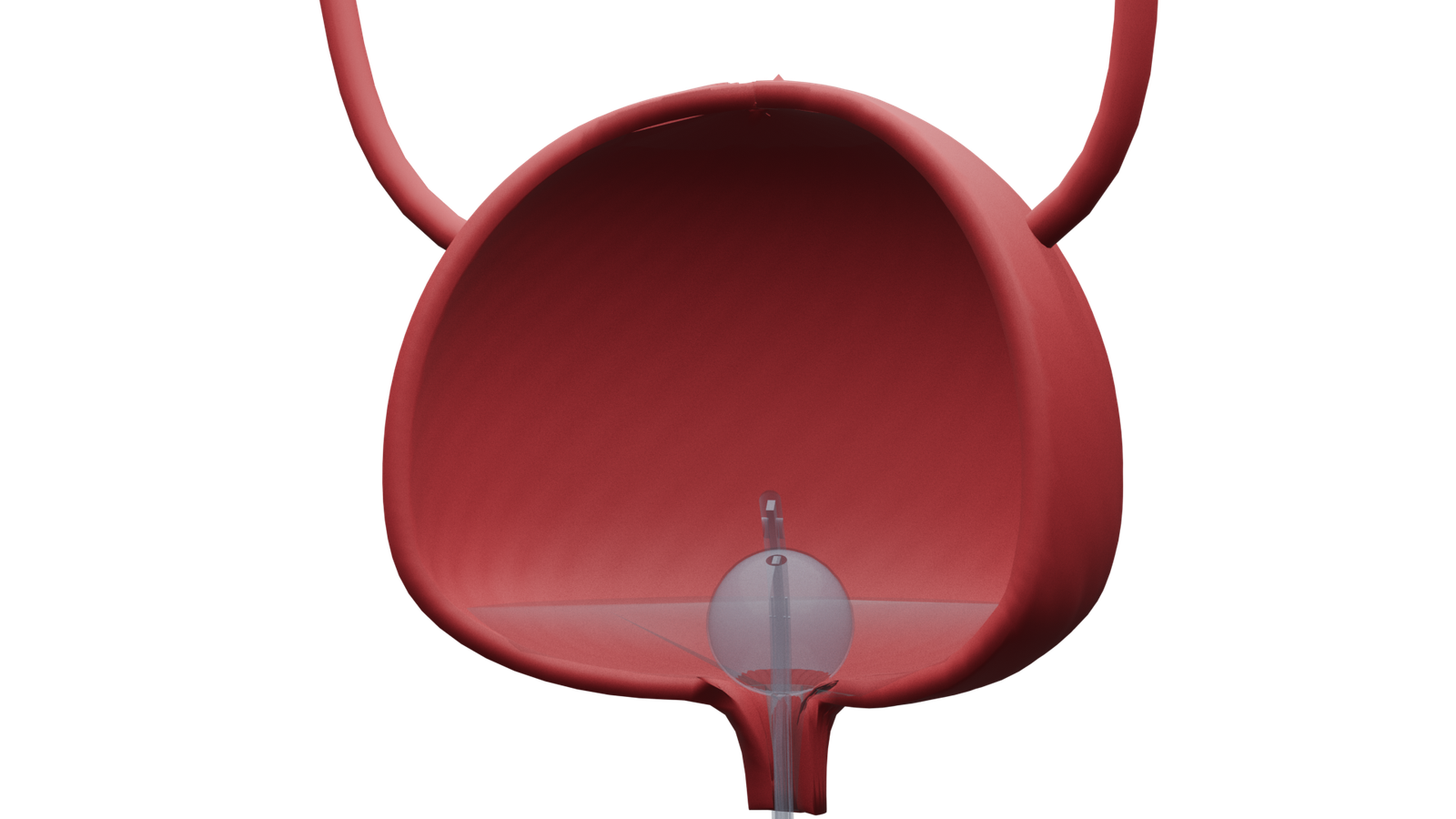
The conventional tip can irritate and damage the lining of the bladder wall. Drainage openings above the retention balloon can leave residual urine, while openings facing the bladder wall may cause inward suction, preventing urine drainage and further tissue damage. At Urolution, we believed addressing these issues meant going back to the drawing board—changing the catheter itself, rather than simply refining the familiar design.

How the designs differ.

Foley Catheter

Loading Foley model…

Product visualization. Not drawn to scale.

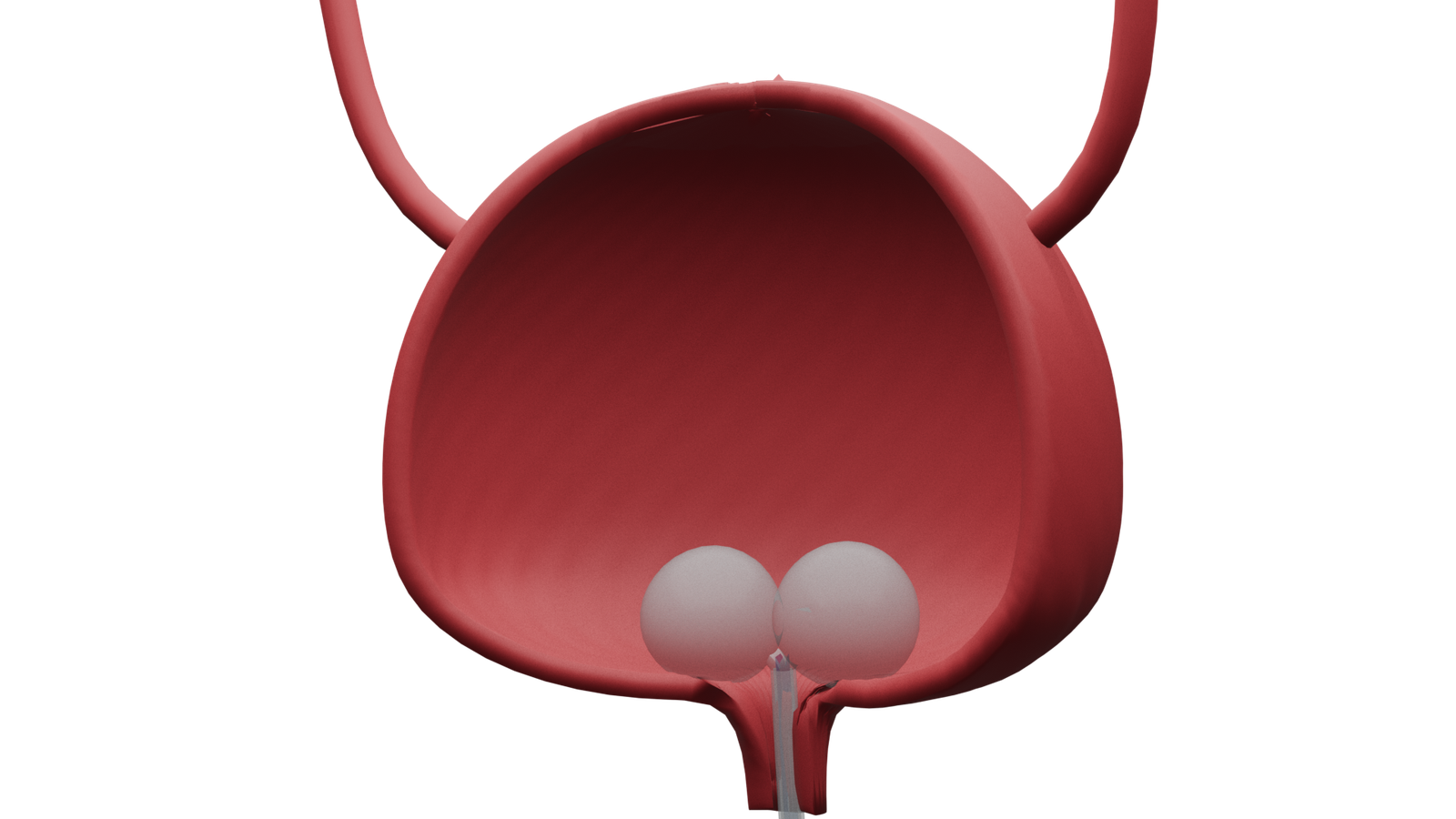
OpenFlo® Catheter

Loading OpenFlo model…

Product visualization. Not drawn to scale.

Distal tip

Foley Catheter
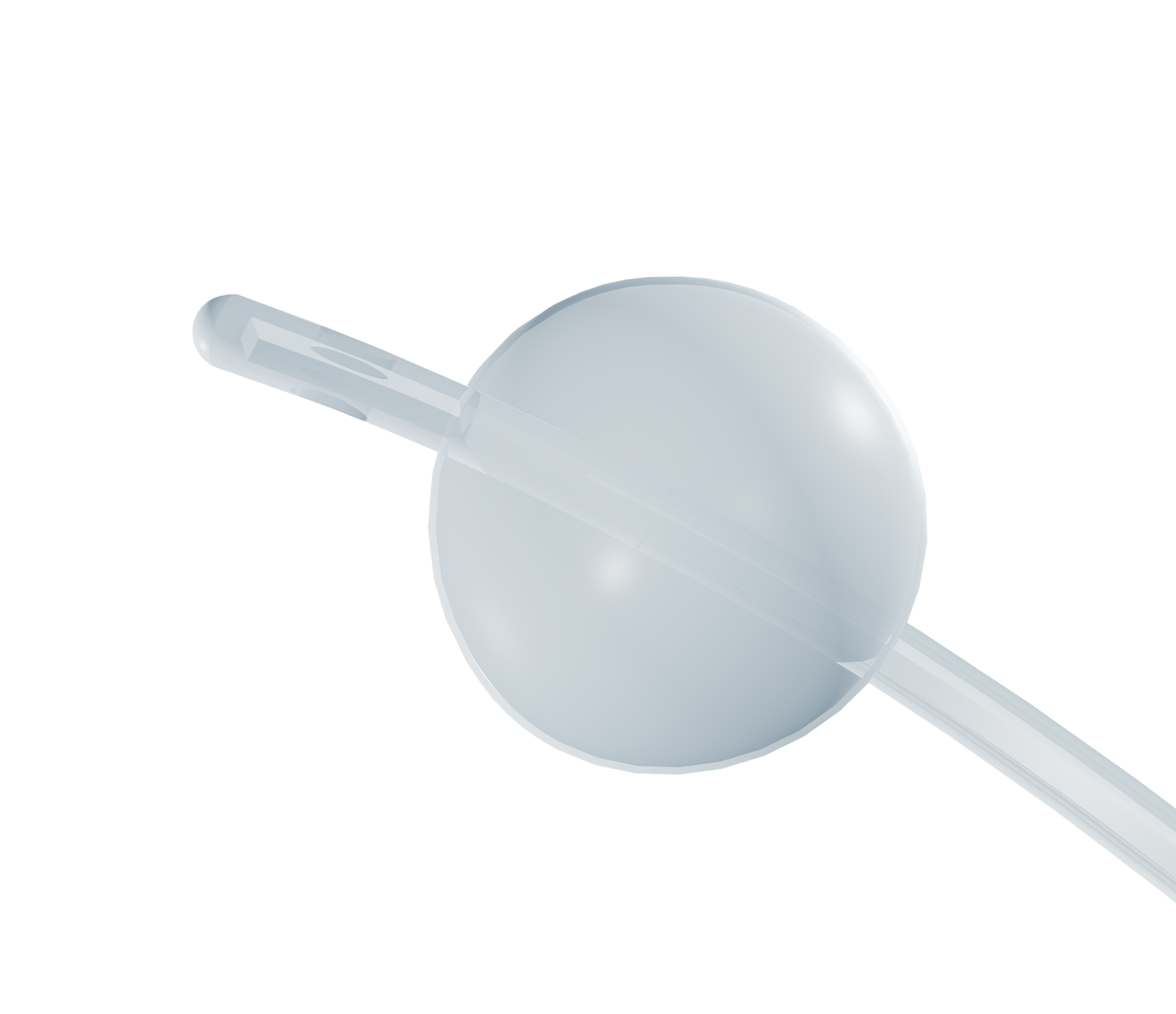
Foley Catheter's Distal Tip

Tip extends into the bladder

A conventional Foley has a length of catheter beyond its retention balloon. That projecting tip may come into contact with the bladder wall.

OpenFlo® Catheter
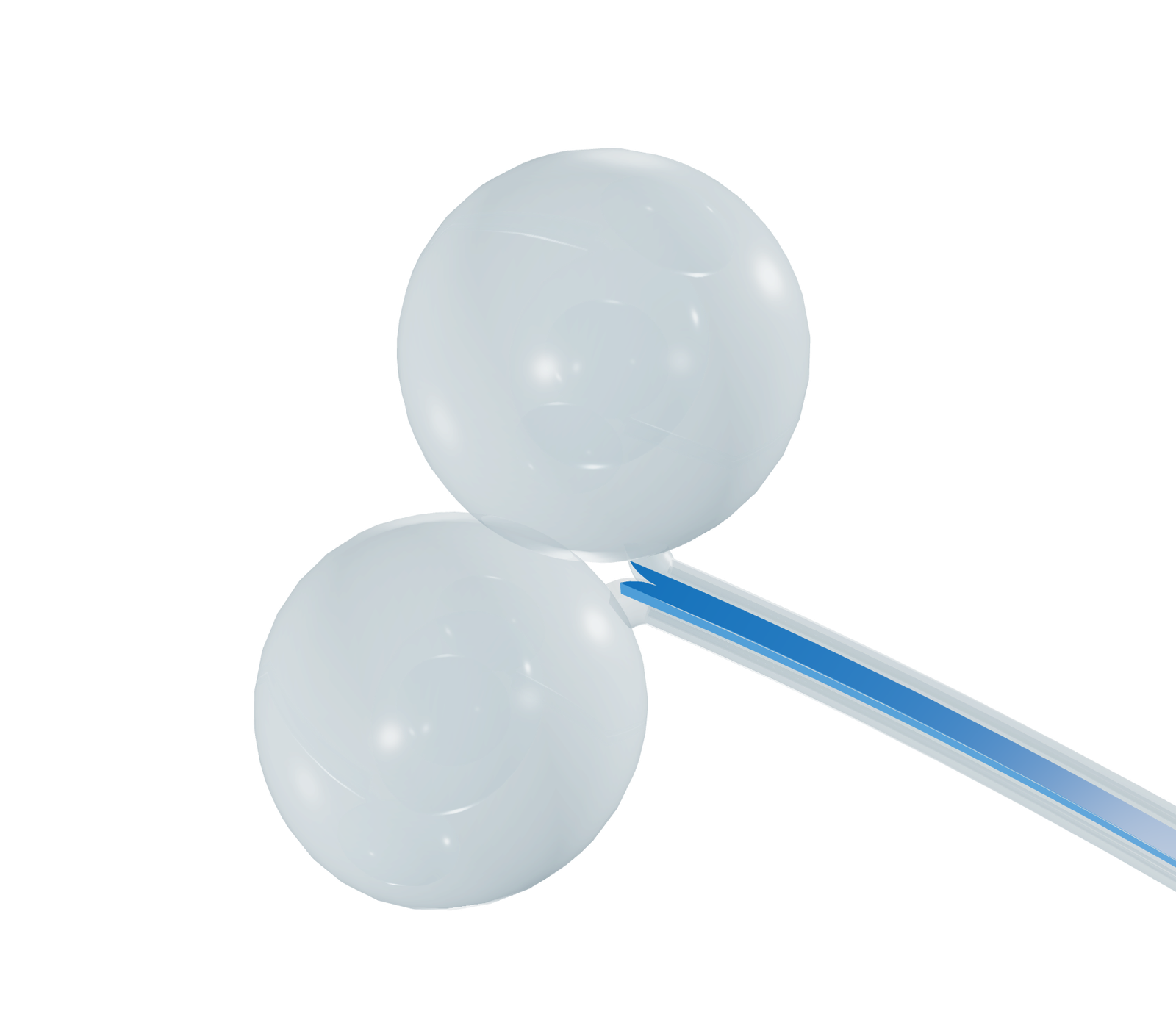
OpenFlo's Lack of Distal Tip When Inflated

No protruding distal tip

Once the retention balloon is inflated, OpenFlo® has no distal catheter tip extending into the bladder.
Drainage opening orientation

Foley Catheter

Foley Catheters's Vertical Drainage Port

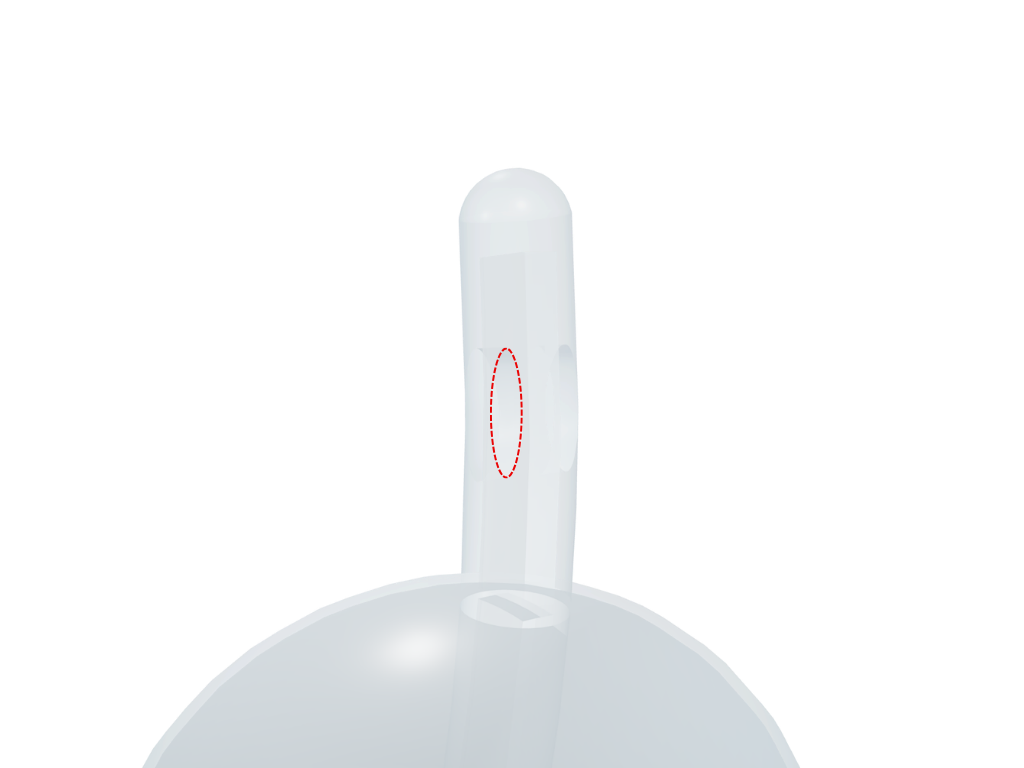
Vertical drainage openings

Traditional side-facing openings can draw bladder tissue toward the port during drainage, potentially preventing urine drainage and causing bladder irritation.

OpenFlo® Catheter

OpenFlo's Horizontal Drainage Port

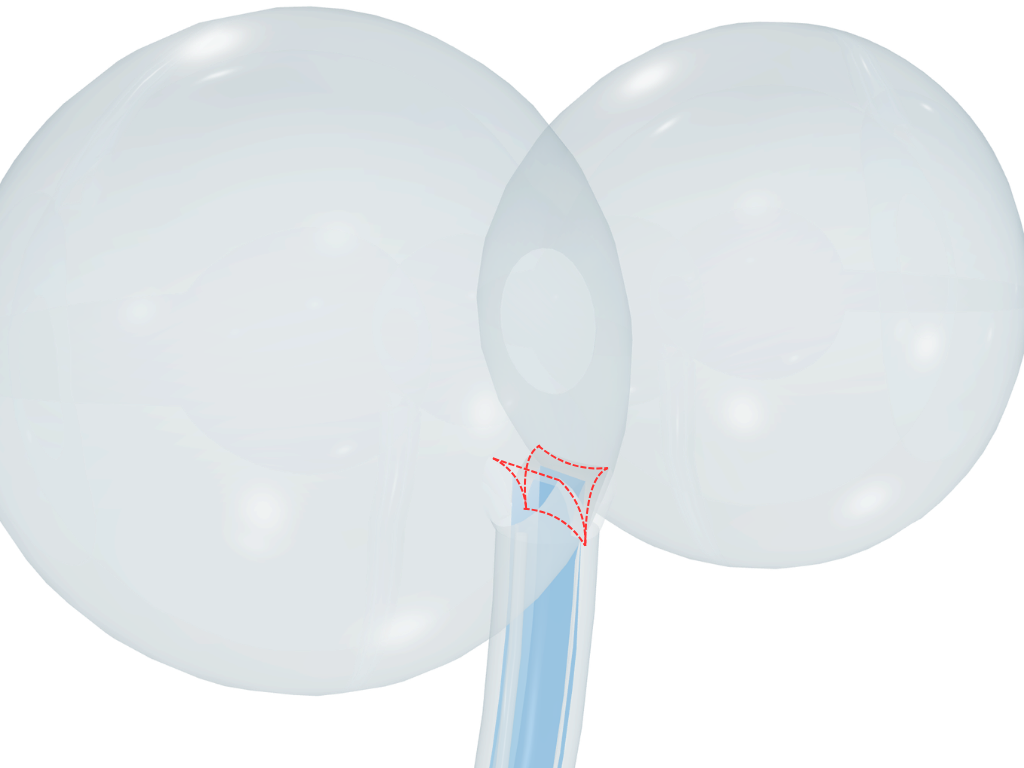
Horizontal drainage opening

OpenFlo® eliminates the conventional vertical drainage opening in favor of a horizontal arrangement designed to avoid drawing the bladder wall inwards.

Drainage opening position

Foley Catheter

Foley Catheter's Elevated Drainage Port

Elevated above the balloon

Foley drainage openings sit above the retention balloon. Urine below the level of those openings may remain in the bladder.

OpenFlo® Catheter

OpenFlo's Elevated Drainage Port

At the bladder–urethra junction

OpenFlo® places its drainage opening at the bladder–urethra junction, a lower position designed to support drainage closer to the bladder’s natural outlet.

OpenFlo is FDA 510(k) cleared. The comparisons presented are intended to highlight design differences and potential advantages and are not meant to be used as scientific evidence.